This lesson focuses on developing sustainable practice routines over time. While individual exercises can be helpful in the moment, long-term stress management often grows from small practices that are repeated and adapted to everyday life.
The tools in this category support you in:
choosing practices that feel realistic,
repeating them in ways that fit your workload,
developing personal routines that support ongoing wellbeing.
There is no fixed programme and no expectation to practise every day. The emphasis is on flexibility, choice, and sustainability.
Featured Resources
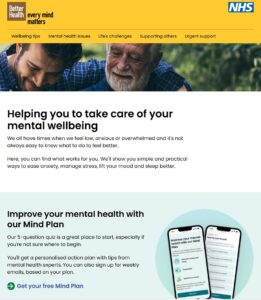
NHS – Self-Care & Stress Toolkit (Every Mind Matters)
This toolkit offers practical guidance for managing stress through small, repeatable actions. It encourages choosing one or two practices that feel manageable and returning to them regularly. You may use the materials to explore different options and identify what supports you best over time.
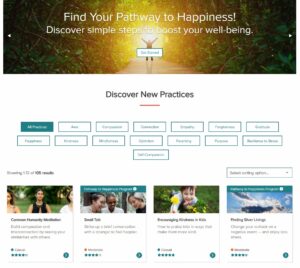
Greater Good in Action – Habit-Based Wellbeing Practices
📄 PDFs & online exercises 🔗 https://ggia.berkeley.edu/ Greater Good Science Center, University of California, Berkeley
This platform provides short, evidence-based wellbeing practices designed for everyday use. Many exercises focus on micro-practices that can be repeated and adapted. You can combine different practices to build routines that suit your personal needs and rhythm.
This leaflet introduces simple self-management and breath-awareness techniques. It can support the integration of stress-coping practices into daily routines. You may use it as an additional reference when shaping your own approach to practice.
How to Use This Lesson
Choose one or two practices that feel realistic for you.
Short, regular moments are often more sustainable than longer sessions.
Adapt practices to your workload and daily rhythm.
There is no task to complete and no obligation.
This category is intended to help you develop personal practice routines that can support you over time.
Closing – Thank You for Taking Part
You have now reached the end of this course. Throughout the modules, you explored emotional awareness, resilience, and practical tools for managing stress in everyday healthcare work.
You may have discovered new perspectives, practical exercises, or small moments of reflection. You may also have simply noticed what feels supportive for you right now. All of this is valid.
There is no expectation to apply everything you encountered here. Even small pauses, brief practices, or moments of self-awareness can make a difference over time.
All materials and practice tools remain available to you. You are welcome to return to them whenever you need support, try something new, or reconnect with a familiar practice — at your own pace and in a way that fits your working life.
We hope this course can serve as a quiet resource for you: to support calm in demanding moments, to encourage care for your own wellbeing, and to offer small, practical ways to strengthen resilience in everyday practice.
Thank you for your time, your openness, and your engagement.
We wish you all the best — professionally and personally.