Have you ever noticed how just one deep breath can change how you feel?
Mindfulness works because it reconnects your mind and body — the two parts of you that stress often pulls apart.
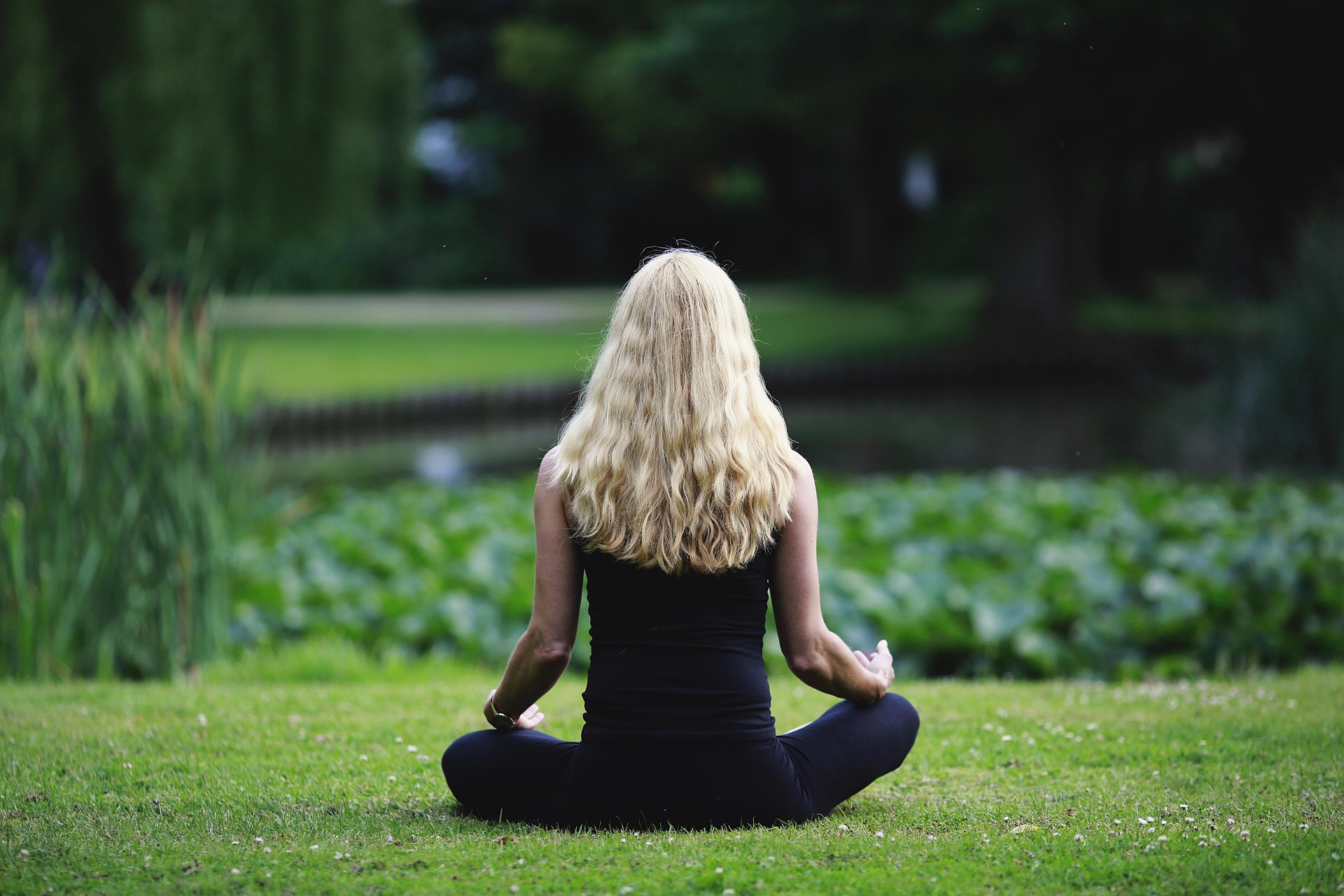
When you slow down and pay attention to the present moment, your nervous system begins to calm, your focus sharpens, and your emotions become easier to manage.
It’s not about escaping stress, but learning how to meet it with balance and awareness.
In this lesson, we’ll explore what happens inside your brain and body when you practice mindfulness, and why even a few seconds of awareness can make a powerful difference in your day.
Take a breath, and let’s see how your body and mind work together to support your wellbeing.
 When you experience stress, your body’s alarm system activates.
Your heart rate rises, your breathing becomes shallow, and your brain prepares to react. This is a natural and important response — it helps you stay alert in moments of danger.
But when stress becomes constant, this system stays switched on, leaving you tired, tense, and emotionally drained.
Mindfulness helps you press the reset button.
By paying attention to your breathing or the sensations in your body, you send a signal to the brain that it’s safe to relax.
The stress hormone cortisol begins to decrease, and areas of the brain linked to calm and focus — like the prefrontal cortex — become more active.
At the same time, mindfulness strengthens the connection between the body and mind:
You don’t need long meditation sessions for this to happen.
Even a 30-second pause of mindful attention can begin to calm the nervous system.
Over time, these small pauses train your brain to recover faster from stress, creating a more stable sense of wellbeing.
Your body is built to respond to stress — and to recover from it.
Two main systems guide this balance: the stress system and the calm system.
When stress rises, your sympathetic nervous system takes charge.
It speeds up your heart, tightens your muscles, and fills your body with energy to act. This is sometimes called the “fight-or-flight” mode.
It’s helpful in real danger — but when daily challenges trigger it again and again, it leaves you drained and tense.
 Mindfulness activates the opposite system: the parasympathetic nervous system, your body’s built-in “rest and restore” mode.
When you slow down and pay attention to your breathing, your body receives a powerful signal:
“I’m safe.”
As your breath deepens, your heart rate slows, your muscles soften, and your mind clears.
With practice, these small moments of awareness strengthen your ability to recover from stress more quickly — even in busy care environments.
You can think of it like this:
Mindfulness helps you switch between them more smoothly — so you can meet stress without being consumed by it.
You’ve just learned how mindfulness helps your body shift from stress to calm.
Now, let’s try it — right where you are.
This short exercise takes less than a minute and helps you feel that “reset” in real time.
1️⃣ Pause.
If you can, sit back or stand still for a moment.
2️⃣ Breathe.
Inhale slowly through your nose for four counts.
Hold your breath gently for one count.
Exhale through your mouth for six counts.
3️⃣ Notice.
Feel your shoulders drop or your heartbeat slow — even slightly.
That’s your nervous system responding.
Each time you pause like this, your body learns that it’s safe to relax again.
Over time, these small resets strengthen your calm response — like tiny workouts for your nervous system.
Next, you’ll learn simple core practices: breath, body, and attention—to turn mindful resets into daily habits.